.png)
Wales' Coastal Way: Wild Beauty, History and Sea-Soaked Adventure
- School Buy

- Nov 10
- 6 min read
Updated: 6 days ago

From cathedral to coastline, dolphins to castles, the Wales Coastal Way reveals a wilder, warmer side of Britain — where every mile tells a story.
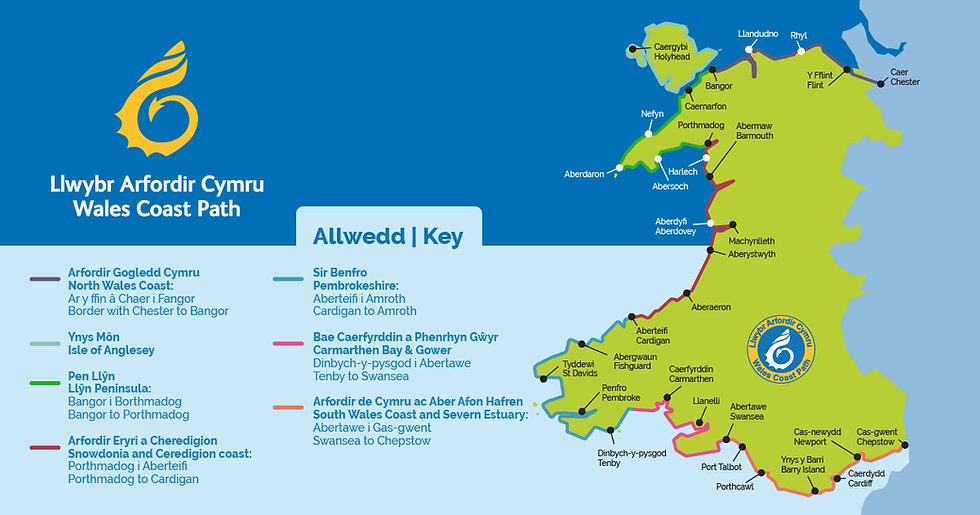
Stretching an epic 870 miles (1,400 km), the Wales Coast Path is the world’s longest continuous coastal trail — a breathtaking route that hugs every curve of Wales’s dramatic shoreline. From the untamed cliffs of Pembrokeshire to the golden beaches of Cardigan Bay and the rugged headlands of the Llŷn Peninsula, this is a journey that tells the story of a nation — through its landscapes, legends, and the warmth of its coastal communities.
Part of this mighty path is the Wales Coastal Way, a 180-mile route along Cardigan Bay on Wales’s west coast. It’s one of Britain’s most inspiring journeys, weaving through seaside towns, historic harbours, wildlife-rich islands and world-class landscapes. You can walk it, cycle it, drive it, take a train or even sail parts of it — and whichever way you go, the views are unforgettable.
The Spirit of the Coastal Way
The Wales Coastal Way invites you to slow down and reconnect — with nature, with history, and with the simple joy of travelling at your own pace. This route is rich in variety: sandy coves one moment, towering cliffs the next; bustling harbour towns followed by miles of wild, empty beach.
You’ll find more than 230 beaches, 50 islands, and a coastline teeming with seals, porpoises and bottlenose dolphins (especially around Cardigan Bay). And along the way stand medieval castles, ancient chapels, and villages where Welsh culture thrives — proof that this path is as much about heritage as it is about scenery.

How to Travel the Wales Coastal Way
The beauty of the Coastal Way lies in its flexibility. Walk it in sections, drive the full route, or mix trains, buses, cycling and walking. The Cambrian Coast Line runs parallel to much of the trail, offering one of the most scenic railway journeys in Britain. Local “Coastal Bus Services” (with names like Poppit Rocket and Bwcabus) link walkers between towns and trailheads.
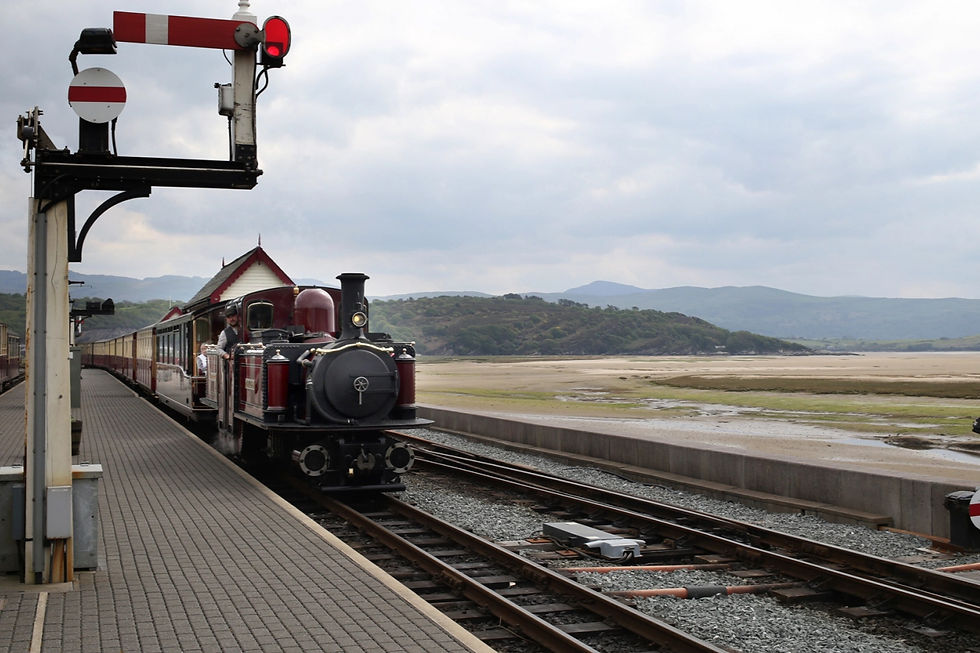
History buffs can add a nostalgic touch with heritage lines such as the Ffestiniog and Welsh Highland Railways near Porthmadog, or the Vale of Rheidol Railway that steams from Aberystwyth to Devil’s Bridge.
However you go, you’ll find it easy to combine adventure with comfort — seaside inns, boutique hotels and fine dining restaurants make sure your journey is as indulgent as it is inspiring.


Nature, Food and Culture Along the Way
Cardigan Bay and the wider Wales Coast Path are havens for wildlife. Around New Quay, dolphins regularly arc through the surf, while Ynys-hir RSPB Reserve in the Dyfi Biosphere is home to ospreys, wading birds and wildflowers. Offshore, islands like Ramsey and Bardsey (Ynys Enlli) teem with seabirds and grey seals.
And then there’s the food. Wales’s coastal larder is superb — expect fresh seafood, artisan cheese, craft gins and local delicacies from farmers’ markets to fine dining. Don’t miss a stop at Ynyshir, near Machynlleth — a two-Michelin-starred culinary experience that redefines Welsh gastronomy.
Every meal, every view, every village tells a story — and together they form the heartbeat of the Wales Coastal Way.
A 7-Day Itinerary: The Best of the Wales Coastal Way
Here’s a perfect week-long journey — designed for walkers, drivers or cyclists who want to experience the best of this extraordinary route from St Davids to Aberdaron.

Day 1 – St Davids to Cardigan: Coastal Cathedrals and Sea Cliffs
Begin your adventure in St Davids, Britain’s smallest city, where the magnificent St Davids Cathedral and the ruins of the Bishop’s Palace set a spiritual tone. Wander down to Whitesands Bay, one of Wales’s top beaches, then take a boat trip around Ramsey Island to spot puffins and seals.
Head north to Cardigan, a colourful market town steeped in history. Explore Cardigan Castle, dine riverside at Pizzatipi, and soak up views across the Teifi Estuary.
Stay: The Cliff Hotel, Gwbert
Day 2 – Cardigan to Aberaeron: Dolphins and Georgian Charm
Start with a visit to the Welsh Wildlife Centre before driving or walking to Mwnt Beach, a picture-perfect cove with a whitewashed chapel on the hill. Continue to New Quay, once home to poet Dylan Thomas and now famous for dolphin-spotting boat trips.
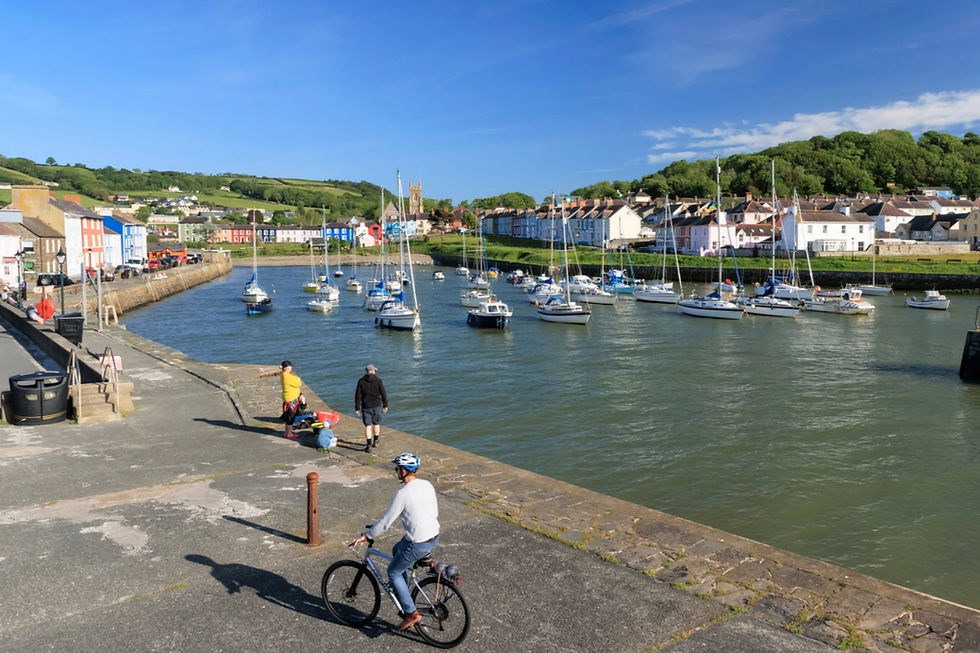
End the day in Aberaeron, a Georgian harbour town painted in pastel shades. Treat yourself to a seafood dinner at The Cellar and a sunset stroll along the harbour wall.
Stay: Y Seler or Llys Aeron
Day 3 – Aberaeron to Aberystwyth: Culture and Coastal Views
Follow the coast north through rolling countryside, stopping at Llanerchaeron, a National Trust estate with gardens and a working farm. Continue to Aberystwyth, the lively university town known for its promenade and clifftop funicular railway.
Explore the National Library of Wales or walk the castle ruins before enjoying fish and chips by the sea as the sun dips behind Cardigan Bay.
Stay: The Glengower or Richmond Hotel, Aberystwyth
Day 4 – Aberystwyth to Aberdyfi: Biospheres and Beaches
Travel through the Dyfi Biosphere, Wales’s only UNESCO-designated biosphere reserve. Visit the Dyfi Wildlife Centre and Ynys-hir Nature Reserve, where ospreys nest each spring.
At low tide, see the ancient submerged forest at Borth Beach, said to be the remains of the lost kingdom of Cantre’r Gwaelod. Round off the day in the elegant seaside village of Aberdyfi, renowned for sailing and seafood.
Day 5 – Aberdyfi to Portmeirion: Castles and Italianate Charm
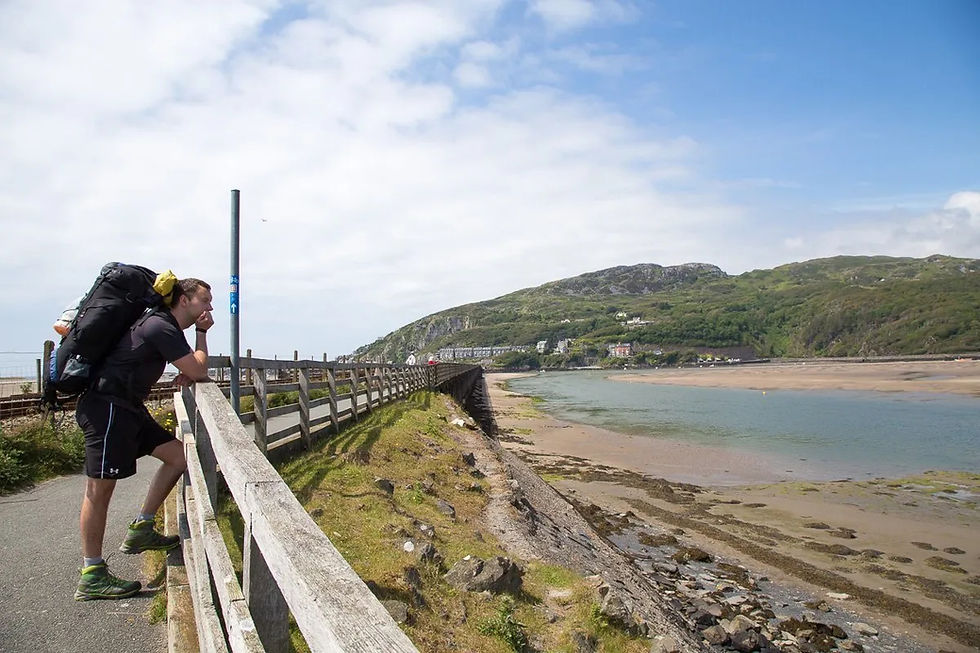
Follow the coast to Barmouth, crossing the wooden Mawddach Estuary Bridge by foot or train. Visit Harlech Castle, one of Edward I’s mighty fortresses and a UNESCO World Heritage Site.
Continue north to the fairytale village of Portmeirion, an Italianate masterpiece surrounded by woodlands and estuary views. Wander its colourful piazzas and stay overnight within its storybook setting.
Stay: Hotel Portmeirion or Castell Deudraeth
Day 6 – Portmeirion to Abersoch: Seaside Style and Art
Start your morning in Criccieth, exploring its clifftop castle and dining at Dylan’s Restaurant, before heading west to Llanbedrog for art at Plas Glyn y Weddw, one of Wales’s oldest galleries.
End the day in Abersoch, a chic resort popular with surfers, sailors and paddle-boarders. Enjoy dinner overlooking the bay and a golden sunset to match.
Stay: Porth Tocyn Hotel or The Wylfa, Abersoch
Day 7 – Abersoch to Aberdaron: The Edge of Wales
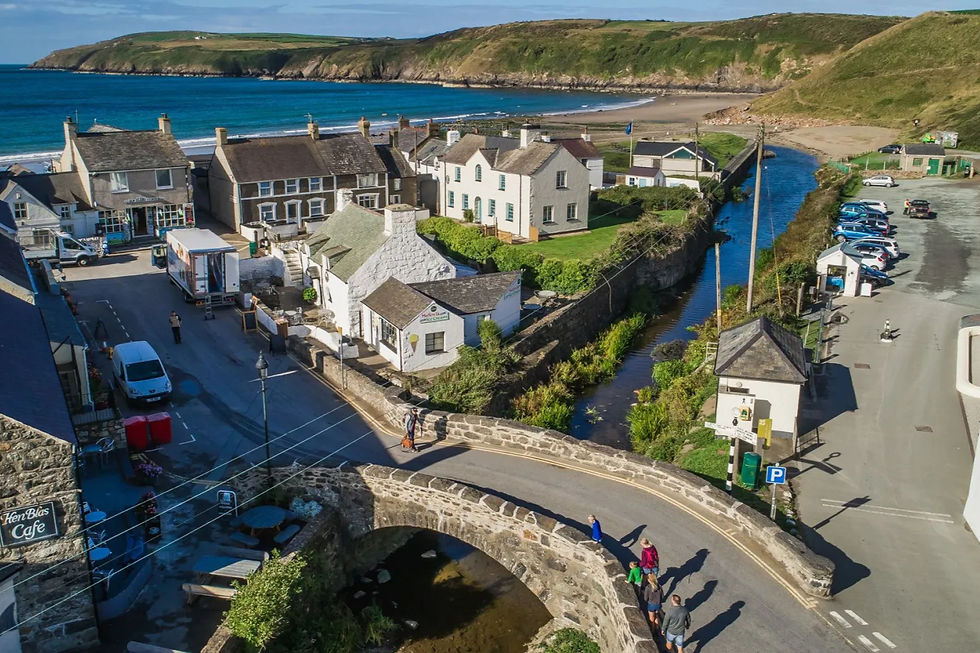
Journey along the wild Llŷn Peninsula, stopping at Plas yn Rhiw, a National Trust manor with sweeping views across Hell’s Mouth Bay. Finish your adventure in Aberdaron, a serene whitewashed village once known as the “Land’s End of Wales”.
Visit the Porth y Swnt Visitor Centre to learn about the area’s heritage, or take a boat to Ynys Enlli (Bardsey Island) — a place of pilgrimage and peace. Watch the sun set over the Irish Sea and reflect on a journey well spent.
Plan Your Own Coastal Adventure
You don’t have to complete the whole route in one go — many travellers tackle the Wales Coastal Way in sections, returning year after year. Each stretch offers something new: castles, wildlife, food, and the thrill of discovery.
From St Davids Cathedral to Bardsey Island, from dolphin-filled bays to harbour towns bursting with Welsh character, the Wales Coastal Way is not just a path — it’s a story written in sand, stone and sea spray.
So pack your walking boots or hop in the car, and set your sights west. The coast of Wales awaits — wild, welcoming and utterly unforgettable.
Getting There: By Rail, Road or Air
The Wales Coastal Way is remarkably accessible despite its wild, remote feel.
From London, you can reach the southern gateway at St Davids or Cardigan in about five to six hours by car via the M4 and A40 — a scenic route passing through the Brecon Beacons National Park. For those preferring public transport, take a train from London Paddington to Haverfordwest or Fishguard Harbour (about 4½ hours), followed by a short bus or taxi ride to St Davids.
To explore the northern end, trains from London Euston reach Pwllheli or Porthmadog via Birmingham and Shrewsbury in roughly six hours, connecting you directly with the Llŷn Peninsula.
Visitors can fly to Cardiff Airport, just west of the capital, with direct flights from major UK and European cities. Car hire is available at the airport, or travellers can continue by train via Carmarthen, Aberystwyth or Bangor, depending on which section of the Coastal Way they plan to explore.
For the eco-conscious, Wales is superbly served by Transport for Wales Rail, and it’s possible to link many trail sections using trains and local coastal buses — ideal for travellers who want to walk or cycle without needing a car.
Discover more: visitwales.com/inspire-me/wales-way
School Buy is a UK publication providing practical insight and guidance for senior education leaders, helping decision-makers navigate leadership, finance, governance, and operational challenges with confidence.
We deliver expert analysis, sector news, and practical solutions tailored to the strategic, financial, and operational realities of schools and academy trusts across primary, secondary, and higher education.